The EU Ecodesign for Sustainable Products Regulation (ESPR) keeps advancing. As a core framework for circular economy, ESPR gradually replaces the former ErP Directive and expands sustainability requirements to nearly all physical goods sold within the EU. Different from traditional compliance rules focusing on safety and energy efficiency, ESPR integrates easy disassembly, recycled material content, repairability and full-lifecycle disclosure into market access evaluation, reshaping competition for electrical exporters.
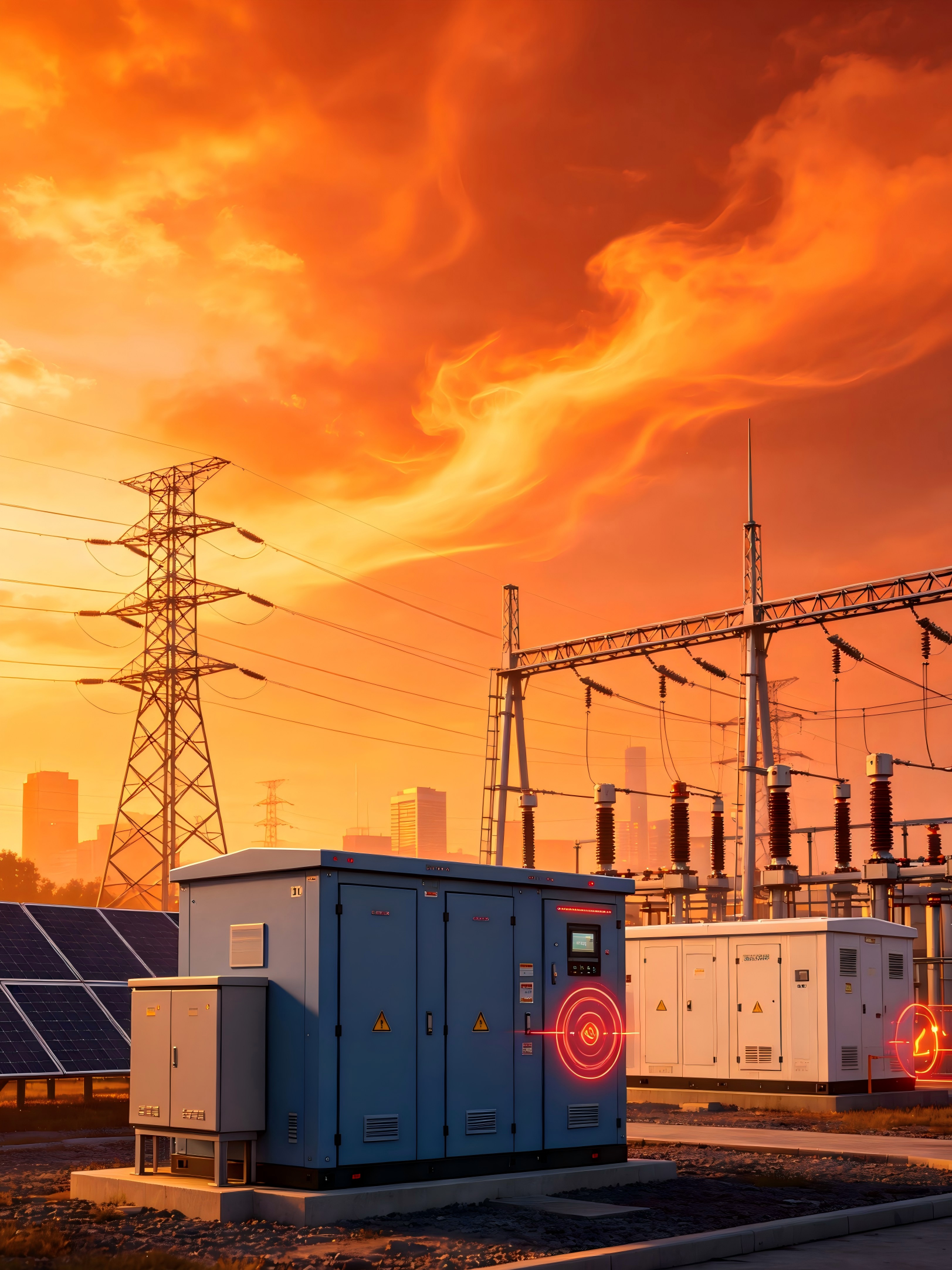
As delegated acts are under discussion and rollout, low-voltage switchgear, circuit breakers, contactors and other electrical components will be covered step by step. In the future, products must satisfy not only IEC, VDE and LVD safety standards, but also circularity requirements: simplified disassembly structure, limited composite heterogeneous materials, defined share of recycled metals and plastics, plus clear end-of-life recycling guidance. Safety compliance alone will no longer guarantee long-term market access in Europe, making eco-design a new competitive threshold.
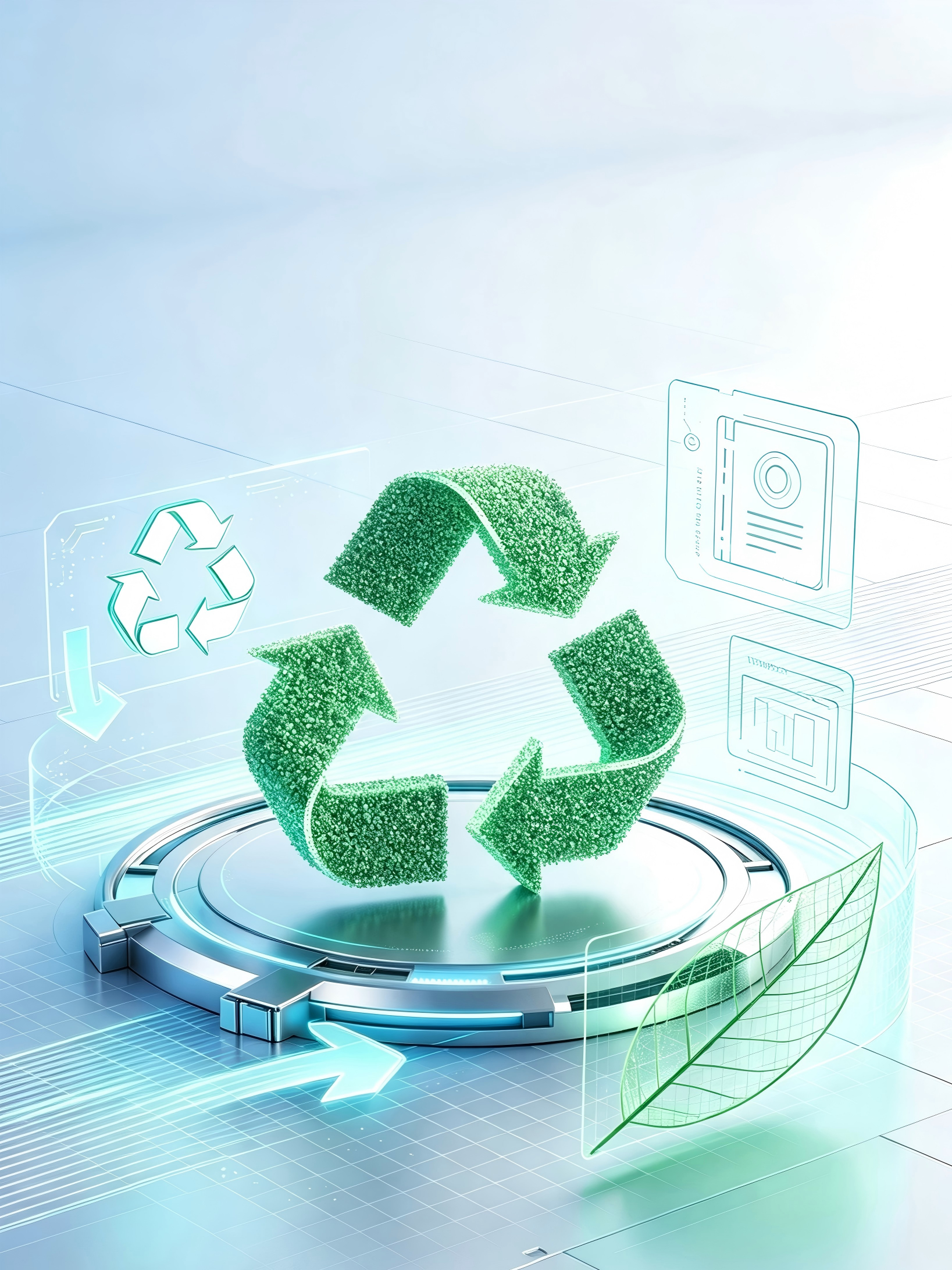
ESPR mandates the adoption of Digital Product Passport (DPP) to record material composition, carbon footprint, raw material traceability and disassembly instructions. Exporters need to build transparent supply chain data and realize full traceability across raw material sourcing, manufacturing and recycling, which raises higher standards for R&D, supply chain operation and digital documentation.
For LV electrical manufacturers serving Europe, the compliance preparation window is narrowing. Early adoption of circular design, optimized material selection and traceability systems can mitigate future market access risks. Electrical equipment for renewable energy, commercial power distribution and data centers are prioritized categories, requiring enterprises to align with long-term ESPR requirements and green public procurement standards.
Global low-carbon trade rules are becoming stricter. Competition evolves from product performance to comprehensive strength covering safety, circular design and sustainable supply chains. MAXGE closely monitors updates of EU green regulations. We balance safety, durability and recyclability in product development, optimizing structure and material solutions to deliver low-voltage distribution solutions meeting both international safety standards and circular economy demands for European partners.
For long-term global expansion, electrical enterprises should embrace circular design and embed green compliance into full lifecycle management to strengthen sustainable competitiveness in the global marketplace.