Entering August 2026, severe heat waves have swept across Europe, Southeast Asia and China, breaking multiple monthly and seasonal temperature records. Persistent sweltering weather triggers a sharp surge in cooling consumption for both residential and industrial sectors, pushing power grid loads in many regions to all-time highs and putting continuous pressure on global power supply systems.
This round of extreme heat features long duration, wide coverage and exceptional intensity. In Europe, high temperature coupled with drought limits hydropower and nuclear power generation efficiency, shrinking overall power supply capacity and tightening regional power balance, which further raises industrial power costs. Southeast Asia faces sustained hot and humid weather; accelerated industrial recovery further boosts regional power demand. Meanwhile, most areas in China maintain high power consumption, keeping terminal distribution systems operating under long-term full-load conditions.
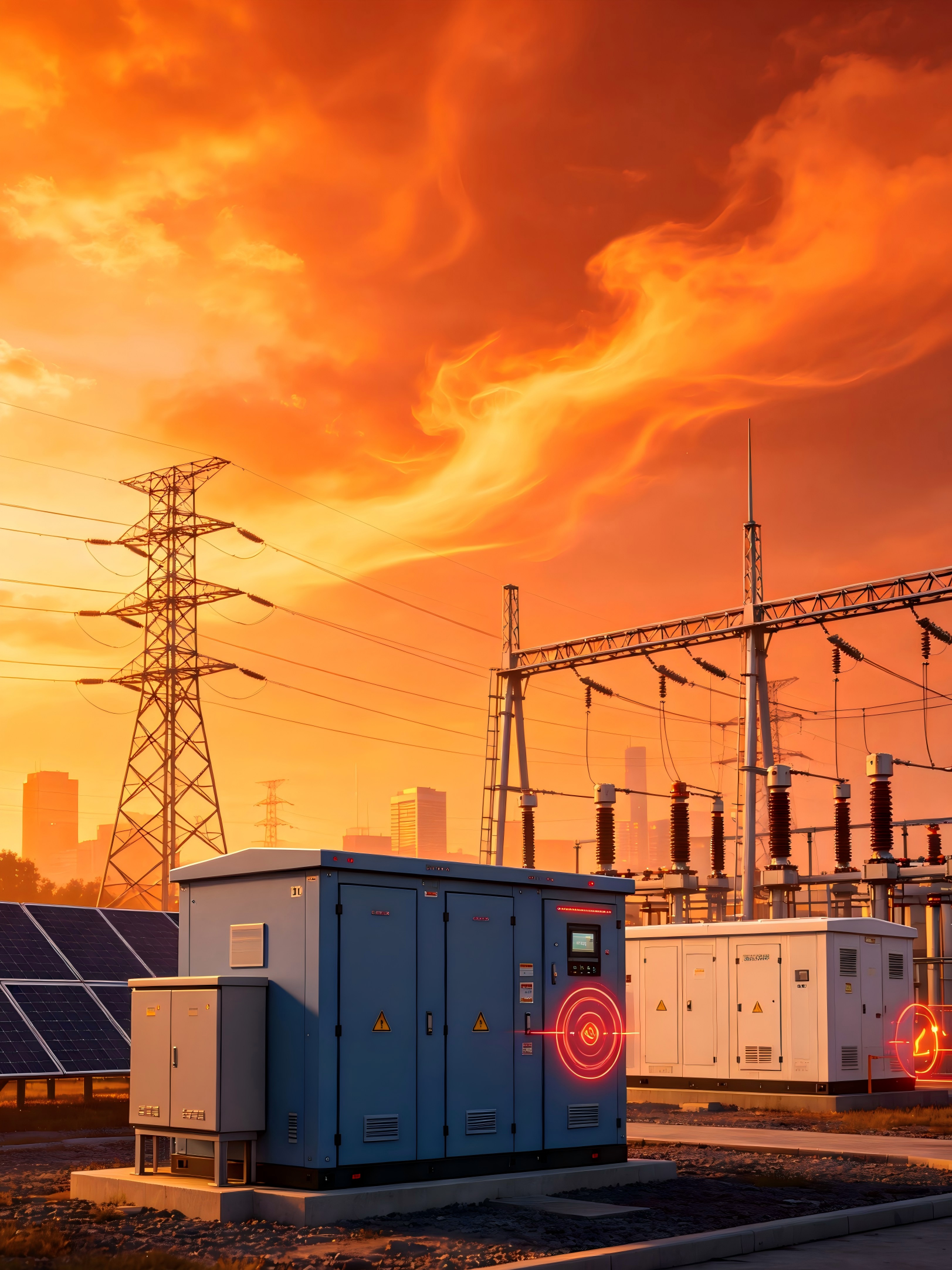
Prolonged heavy-load operation brings unprecedented challenges to outdoor electrical equipment. Different from short-term heat impacts in early summer, the non-stop high temperature in August causes continuous heat accumulation inside distribution cabinets, PV supporting devices and ESS containers. Poor heat dissipation accelerates component aging, over-temperature faults and overload tripping. In addition, frequent afternoon thunderstorms, sudden rainstorms and coastal typhoons expose outdoor power equipment to combined risks of overheating, condensation corrosion and lightning surges, severely testing operational stability.
As extreme weather becomes normalized, grid operation standards and renewable energy project requirements continue to upgrade. The industry increasingly focuses on equipment’s all-weather adaptability, heavy-load stability and intelligent early-warning performance. Smart low-voltage distribution solutions that can withstand long-term high-temperature operation, humid corrosion and lightning impact have become the preferred choice for industrial parks, PV stations, energy storage sites and data centers.
Global power infrastructure is evolving toward higher reliability and stronger resilience. Frequent extreme weather drives technological upgrading of electrical equipment, creating broad market opportunities for all-condition, high-stability low-voltage power distribution solutions.