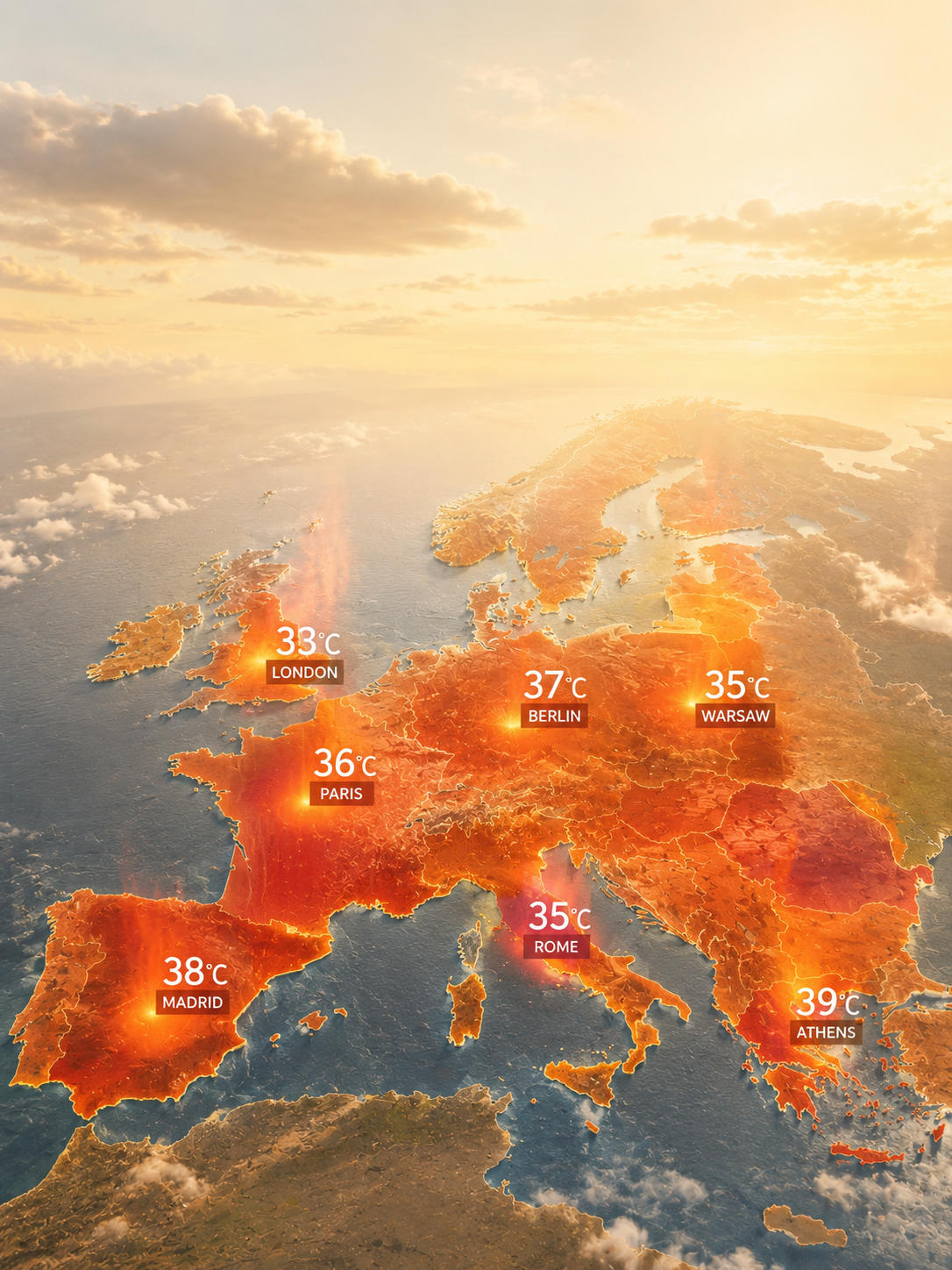
 Driven by sustained El Niño effects, record-breaking heatwaves sweep across Europe, Southeast Asia and China simultaneously. Surging air conditioning loads push local power grids into continuous overload operation, severely threatening grid stability. Meanwhile, coastal regions enter the active typhoon season with frequent short-duration heavy downpours, severe thunderstorms and gale convection weather. Outdoor distribution cabinets, PV supporting equipment and energy storage containers are exposed to triple harsh impacts: extreme heat, high humidity condensation and lightning surges.
Numerous industrial parks across Europe have suffered unexpected power outages and production shutdowns caused by lightning-induced overvoltage and overheated aging distribution equipment, resulting in suspended production lines, delayed orders and massive asset losses. Extreme weather brings three core hidden risks to electrical facilities:
Thermal Overload Hazards Under ambient temperatures above 40°C with full-load operation, heat dissipation inside outdoor cabinets is blocked. Excessive component temperature accelerates insulation degradation and increases contact resistance, easily triggering overload tripping and short-circuit fires. Inside energy storage containers, poor heat dissipation accelerates battery degradation and raises thermal runaway risks.
High Humidity Corrosion Hazards Heavy rains and typhoons create persistently humid air, forming condensation inside cabinets that corrodes copper busbars and electronic components, leading to electric leakage and three-phase imbalance, drastically shortening the service life of distribution systems.
Lightning Surge Hazards Severe thunderstorms generate instantaneous induced overvoltage up to tens of thousands of volts, invading factory power systems through power lines, breaking protective components and burning ESS inverters and metering modules. Lightning damage ranks the top seasonal failure cause for projects in Southeast Asia and South China coastal areas.
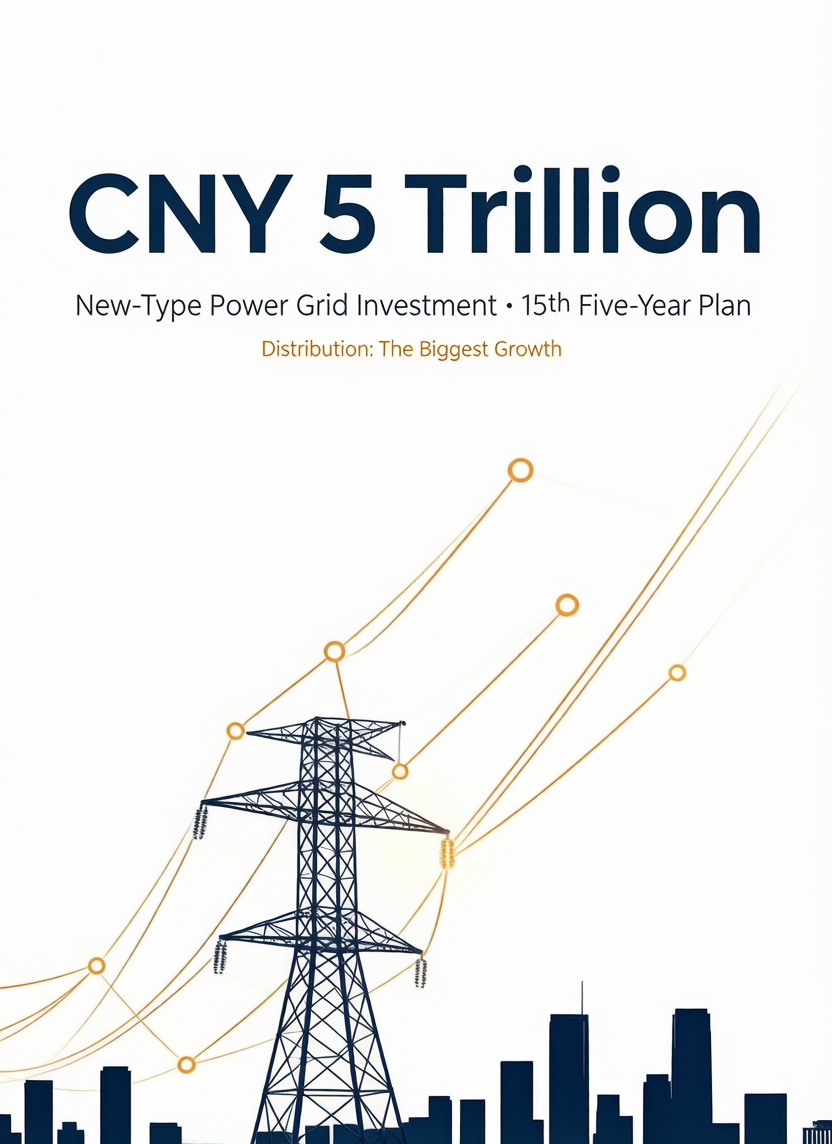
Grid operators and safety supervision authorities worldwide have launched special summer power distribution inspections. Industrial plants and PV & energy storage sites are required to upgrade to smart low-voltage distribution systems with high-temperature resistance, moisture-proof structure, integrated lightning protection and real-time digital monitoring, phasing out conventional switchgear without safety alert functions.
To cope with widespread heatwaves, thunderstorms and typhoons around the world, integrated distribution equipment with all-climate protection and digital monitoring has become an industry necessity. With years of R&D experience in low-voltage electrical products, MAXGE provides weather-resistant distribution systems equipped with moisture-proof and integrated lightning protection structures. The supporting energy management platform realizes real-time equipment monitoring and early warning, suitable for factories, PV stations and ESS projects in Europe, Southeast Asia and China.
All products comply with mainstream international standards including IEC, CE and VDE, and record complete energy operation data to meet global requirements of grid connection and carbon audit, effectively reducing equipment damage and power outages triggered by harsh weather for global clients.
Against global climate change, extreme heat, thunderstorms and typhoons have become regular seasonal challenges. Environmental adaptability and intelligent protection capability of power distribution systems stand as core evaluation indicators for new projects. Only distribution solutions combining durable weatherproof hardware and digital management can guarantee steady power supply for industrial and renewable projects, facilitating the global energy transition.